
Breast implants can be a life-changing decision, boosting confidence and enhancing appearance. However, there are times when implant removal may become necessary due to physical discomfort, changes in personal preferences, or medical concerns. Recognizing the signs that indicate removal is the right choice and understanding your removal options are crucial for maintaining health and peace of mind.
Breast implant removal is a surgical procedure that involves the removal of breast implants. It may also include removing scar tissue that has formed around the implants. This procedure allows individuals to restore their natural breast shape or prepare for a different type of enhancement, depending on their needs and goals. If there are no underlying health concerns, a breast implant revision allows for breast implant removal with the placement of a new implant or fat grafting to provide breast enhancement.
Here, we explore breast implant removal and revision and 5 common reasons for choosing implant removal.
1. Persistent Pain, Discomfort, Redness or Inflammation
When it comes to your breast implants, pain, discomfort, redness or inflammation should never be ignored. Chronic pain and discomfort which can include sharp pains or a tightness in the chest, can be a sign of capsular contracture, a condition that occurs when scar tissue around the implant tightens. Redness, swelling, or pain around the implants, particularly if accompanied by a fever, may indicate an infection. Prompt treatment is crucial, and if antibiotics prove ineffective, implant removal might be necessary to address the issue. Infections can occur anytime after surgery, including years later.
2. Development of Breast Implant Illness
Breast implant illness (BII) is a condition that causes a cluster of symptoms such as joint pain, fatigue, brain fog, dry eyes and mouth, sleep disturbances, gastrointestinal problems, headaches and more. These symptoms are similar to many autoimmune and connective tissue disorders, such as lupus, rheumatoid arthritis, and Ehlers-Danlos Syndrome. In many cases, those conditions need to be ruled out before considering a BII diagnosis. BII is still poorly understood and a diagnosis only occurs after other conditions are ruled out. Some experts believe it may be a unique autoimmune reaction to the implants, and most patients experience a decline or elimination of symptoms after the removal of implants.
3. Implant Rupture
Implants are not made to last a lifetime, and ruptures do happen. Signs of a breast implant rupture depend on the type of implant you have. When saline implants rupture or the valve fails, the saline leaks out and is absorbed by the body relatively quickly, resulting in deflation over a few days. Silicone implant ruptures, however, can be harder to detect. The gel leaks out slowly and is not absorbed by the body. In many cases, ruptures are not detected outside of an MRI. However, you may notice changes in breast shape and size, pain, and swelling when a rupture occurs.
4. Changes In the Position or Appearance of Your Implant
While we highlighted implant rupture above and how it can affect the appearance of your implant, there are additional conditions that can affect how your breast implants appear. These changes can occur over time due to natural shifting or gravity’s natural changes to the breasts associated with aging. Your implants may appear asymmetrical or you may notice visible rippling. In these cases, you may choose implant removal or opt for an implant revision to further enhance your breasts.
5. Unhappiness with Your Current Appearance
You don’t need a rupture, BII illness, or any pain to decide you no longer want your breast implants. You can simply no longer be happy with your implants. As you age, you may decide that larger breasts no longer fit your lifestyle or desired look. You may have realized that your implant size choice was not right for your desired goals, and you want a revision that will place larger or smaller implants.
Whether your breast implant removal is an emergency due to rupture or other medical concerns or you simply aren’t happy with your current implants, Dr. Drew Davis and his caring team are here to work with you to create a unique implant removal or revision plan to help you achieve your goals. Call 916-318-5770 today to schedule your consultation and let us help determine your best plan of action.
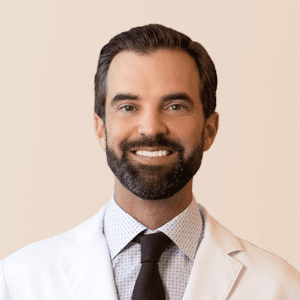
Author: Dr. Drew Davis
Dr. Drew Davis completed his residency in Plastic & Reconstructive Surgery at Stanford University Medical Center and is proud to be board certified by the American Board of Plastic Surgery. After practicing for many years in the Bay Area, Dr. Davis has chosen private practice in the Sacramento area to allow him to provide the most personal and individualized patient care.


